

- Wiring or leaks that cause fire
- Accelerators that break suddenly
- Ineffective steering parts that may cause a loss of control
- Air bags that deploy late
- Faulty seat belts that break
What you Should Know about Vehicle Recalls
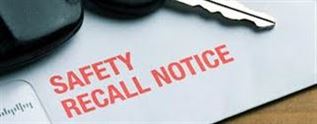
There have recently been an abundance of vehicle recalls on many models. You should know what to do in the case where your vehicle is recalled, or is recalled for a safety recall. Recalls are happening more and more often. In the year 2013 there were 632 recalls which impacted 22 million vehicles according to the National Highway Traffic Safety Administration. In the year 2014 there have already been more than 120 recalls affecting nearly 13 million cars. This means this year is on pace to break the previous record which was set ten years ago.
Recalls are issued because the defect or possible defect might make the vehicle unsafe. For any recall, defective parts are placed at no cost to the owner. Engineering errors which can be both large and small can cause significant defect that can compromise the driver’s safety and require a recall. These types of errors are usually on specific models produced during a specific period of time at the manufacturing plant.
The most common defects include: