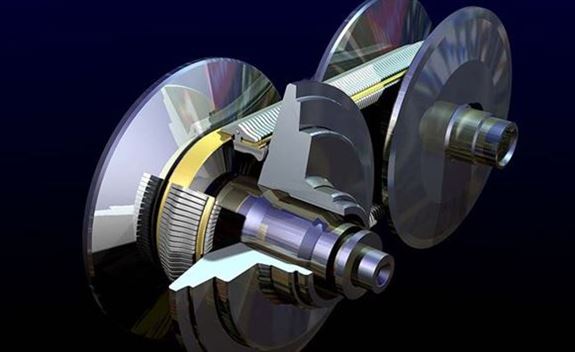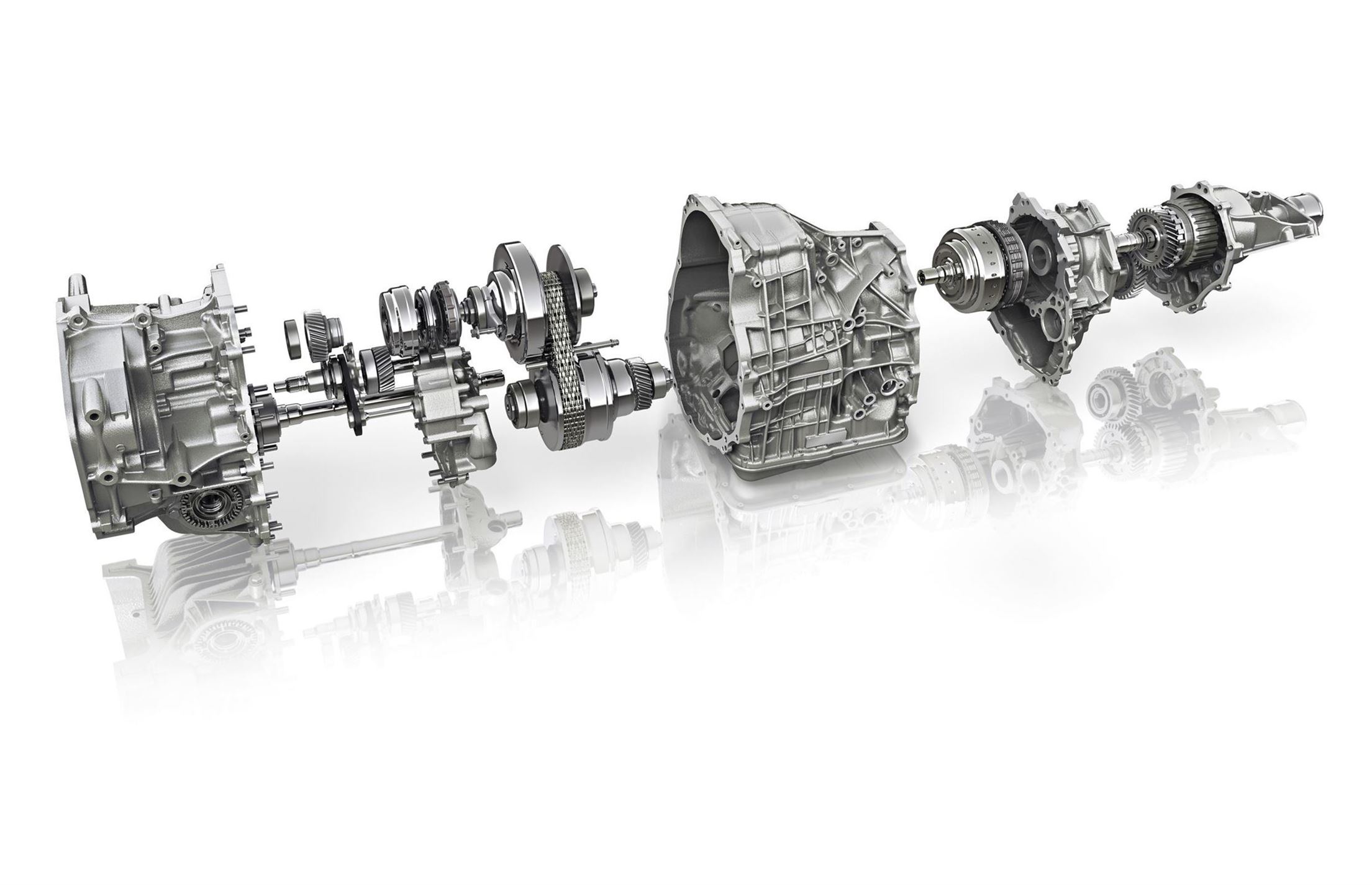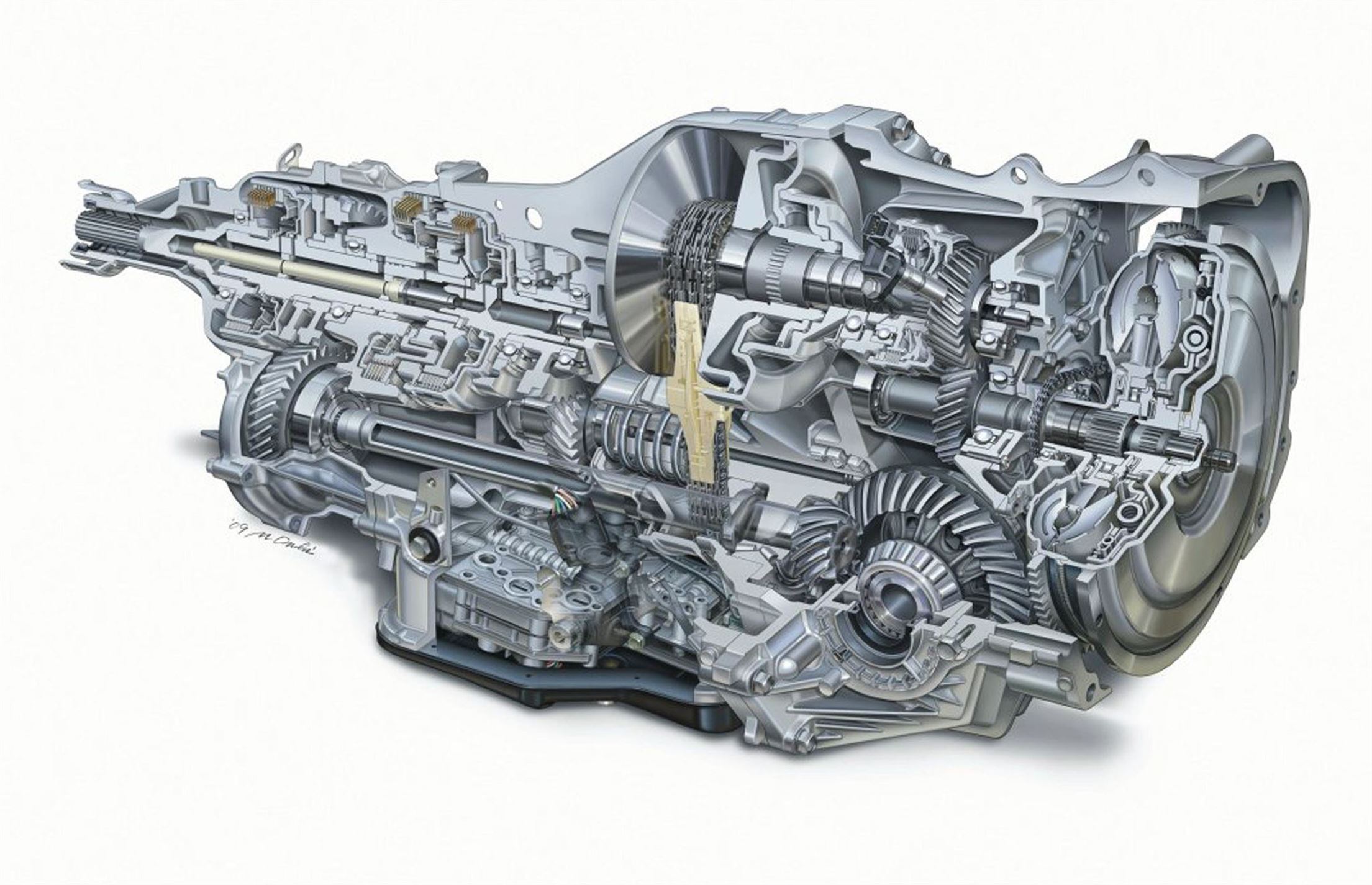


There are several benefits to a CVT and we’ve even named some, but the main thing that seems to draw consumers in is the fuel savings that accompanies these debated transmissions. It’s one thing that everyone can pretty much agree upon. The way it does this is keep the revolutions per minute down while under light acceleration and thus maximize fuel economy by constantly shifting “gears” rather than raising RPMs. It’s a benefit that can actually be seen at the pump. Another benefit would be the ease of maintenance because instead of multiple gears to potentially replace, essentially all you have to worry about is the belt (mostly woven metal chain now-a-days) and the two cones. Benefits to a CVT also include the ability to maximize acceleration by holding an engine at peak output.
Now, there are doubters out there (and plenty of them), but with recent advancements CVTs are becoming more mainstream. Even still, people still have a negative perception of these transmissions. For instance, because of the way a CVT holds constant engine speed, often-times drivers complain that a poorly calibrated CVT can feel like applying the throttle on a motorboat. It’s been described as “droning” or “lagging,” but more and more people are coming around and these innovations are being put into more cars every year.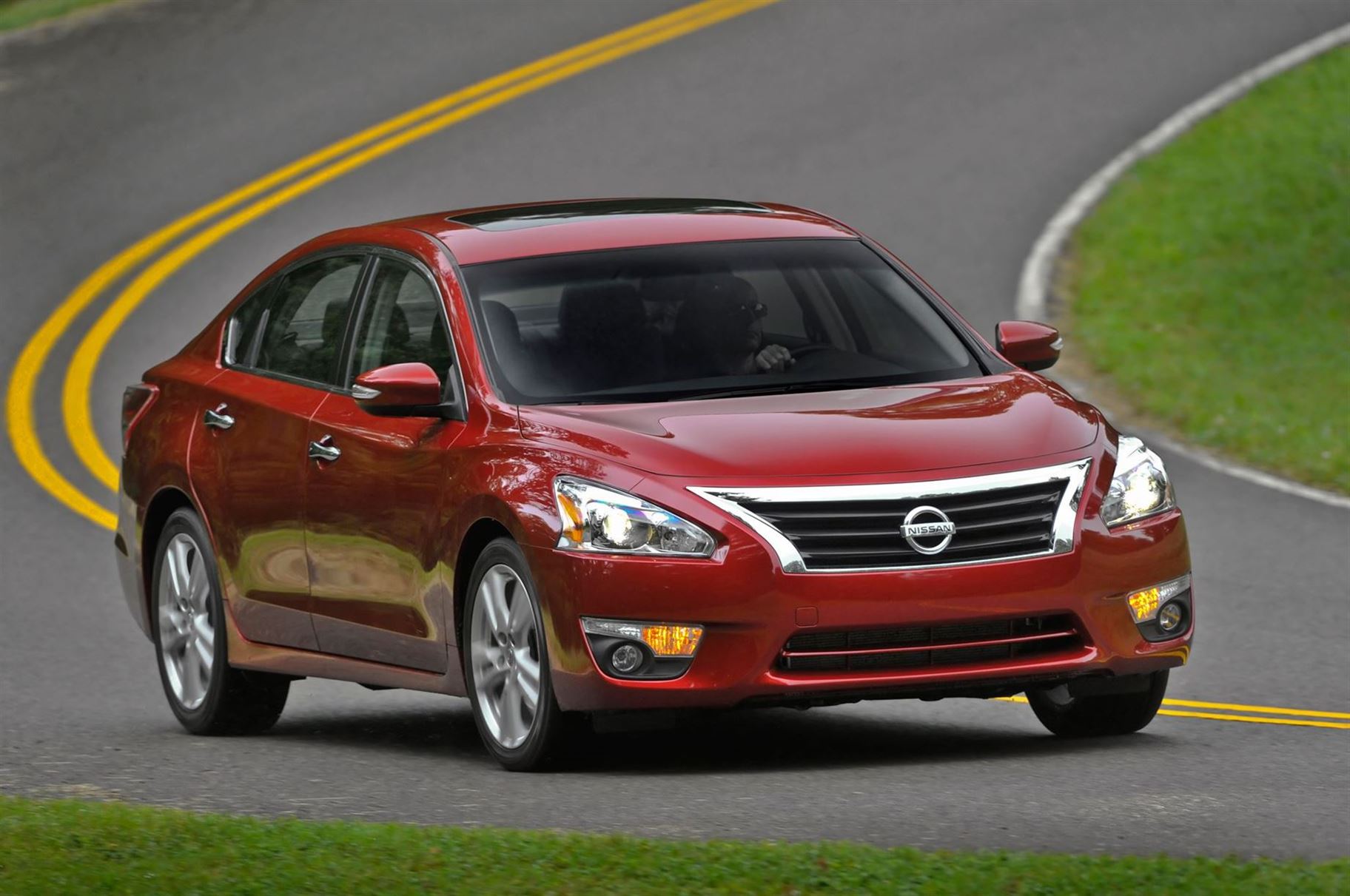
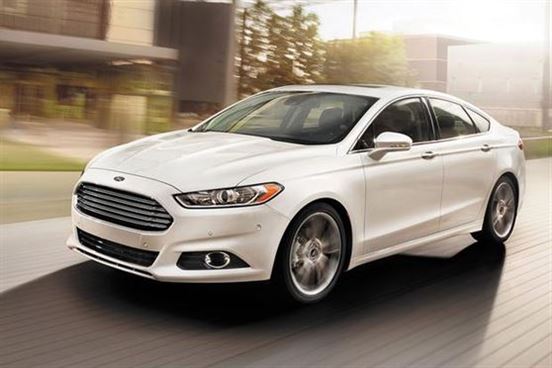 It’s difficult to give you an idea just how many cars have CVTs in them without just listing them, but it should get the point across that this is the way the world is turning. For example, just about every Nissan has a CVT and most have had them since the mid-2000s (although they’ve seen much improvement since then). A handful of Ford vehicles are on the list as well including the Fusion and Escape Hybrids. There are plenty other manufacturers utilizing the power of the CVT such as Audi, Lexus, Subaru, Honda and Toyota. While there are more, this should give you plenty of an idea about how popular they are becoming sooner rather than later.
Like them or not, it seems as if CVTs are here to stay. So, the question becomes, when will all the “haters” come around and change their attitudes on these fuel saving transmissions? There will always be the regular manual and automatic transmissions for those hardcore gearheads and people who actually need them, but the CVTs are here for those who want a seamless transmission that saves them money at the pump!
It’s difficult to give you an idea just how many cars have CVTs in them without just listing them, but it should get the point across that this is the way the world is turning. For example, just about every Nissan has a CVT and most have had them since the mid-2000s (although they’ve seen much improvement since then). A handful of Ford vehicles are on the list as well including the Fusion and Escape Hybrids. There are plenty other manufacturers utilizing the power of the CVT such as Audi, Lexus, Subaru, Honda and Toyota. While there are more, this should give you plenty of an idea about how popular they are becoming sooner rather than later.
Like them or not, it seems as if CVTs are here to stay. So, the question becomes, when will all the “haters” come around and change their attitudes on these fuel saving transmissions? There will always be the regular manual and automatic transmissions for those hardcore gearheads and people who actually need them, but the CVTs are here for those who want a seamless transmission that saves them money at the pump!